
What Is Teeth Whitening?
Teeth whitening is a procedure to lighten the color of your teeth and remove stains. You can have it done at a dentist’s office, or do it yourself at home. Tooth whitening is most often done using peroxide-based bleaching agents. At-home systems contain from 3% to 20% peroxide (carbamide or hydrogen peroxides). In-office systems contain from 15% to 43% peroxide. Generally, the stronger the solution and the longer you keep it on your teeth, the whiter your teeth become. But the higher the percentage of peroxide in the whitening solution, the shorter it should stay on your teeth. Keeping it on longer will dehydrate teeth and increase tooth sensitivity.
There are pros and cons to each option, but before you try at-home tooth-bleaching kits, talk to your dentist. Not everyone will see good results. Bleaching will not whiten porcelain crowns or tooth-colored composite bondings.
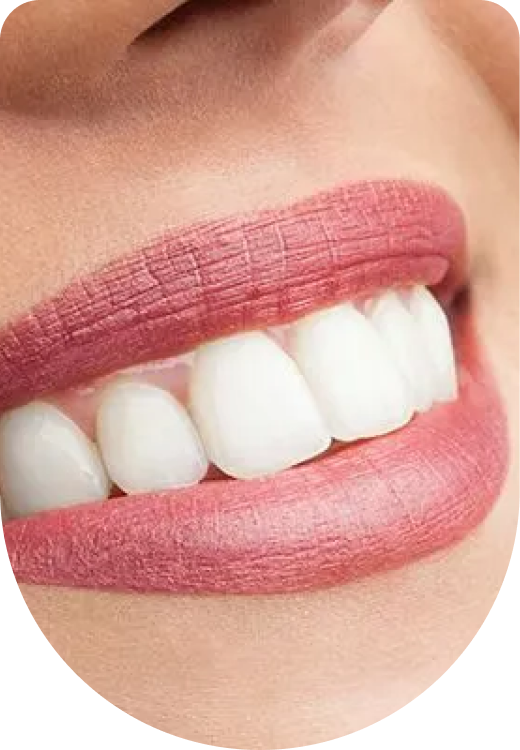
Tooth Discoloration
You have tooth discoloration when your teeth are stained or darkened. It might affect the whole tooth or look like lines or spots on the tooth’s surface. There are two basic types of tooth discoloration:
- Intrinsic, or internal, discoloration happens inside the tooth. Things that can cause this type of discoloration include aging, tooth injuries, some health conditions, and certain medications.
- Extrinsic, or external, discoloration happens when substances like foods, beverages, or tobacco stain the tooth’s surface. Poor oral hygiene can also cause it.
Whitening vs. bleaching
The terms “whitening” and “bleaching” are sometimes used interchangeably, but they don’t always mean the same thing.
Teeth whitening can be done with either bleaching or non-bleaching products. Bleaching is the type of whitening that involves using bleach containing peroxide. It cleans both deep and surface stains and can make teeth even whiter than their natural shade.
In-Office Teeth Whitening
Teeth whitening done by your dentist can get teeth brighter faster. The bleaching solution is usually much stronger than that in at-home kits. Also, your dentist can use heat, light, or a combination of the two to speed and intensify the whitening process. The most dramatic results — teeth generally get three to eight shades brighter — usually take several 30- to 60-minute in- office visits. Some dentists use techniques that can be done in a single 2-hour appointment
At-Home Teeth Whitening
There are many choices for whitening teeth at home. Some common methods include:
- Tooth whitening strips and gels. Applied directly to the teeth with a brush or a thin strip, these peroxide-based tooth bleaching products usually need to be applied once or twice a day for 10 to 14 days. They can lighten your teeth by a shade or two. Results last four or more months.
- Tray-based tooth bleaching systems. With this teeth whitening option, a mouth guard-like tray is filled with a peroxide- based bleaching gel or paste and placed over the teeth for one to several hours a day for up to 4 weeks. You can buy tray- based tooth whitening systems over-the-counter or have one custom-fitted by your dentist.
- Tooth whitening toothpastes. Because they’re mildly abrasive, every toothpaste helps remove stains from teeth. But whitening toothpastes also contain chemicals or polishing agents that help scrub stains without the aid of a bleaching agent. Tooth-whitening toothpastes are relatively inexpensive and brighten teeth by about one shade. Some contain peroxides, but they aren’t left on the teeth long enough to have a strong whitening benefit.
- Whitening rinses. Rinse your teeth for 60 seconds twice a day with these products, which contain hydrogen peroxide, to
make your teeth look slightly whiter. - Whitening chewing gums.You chew these to help prevent stains after you use substances that can stain your teeth, such as tobacco, coffee, and tea.