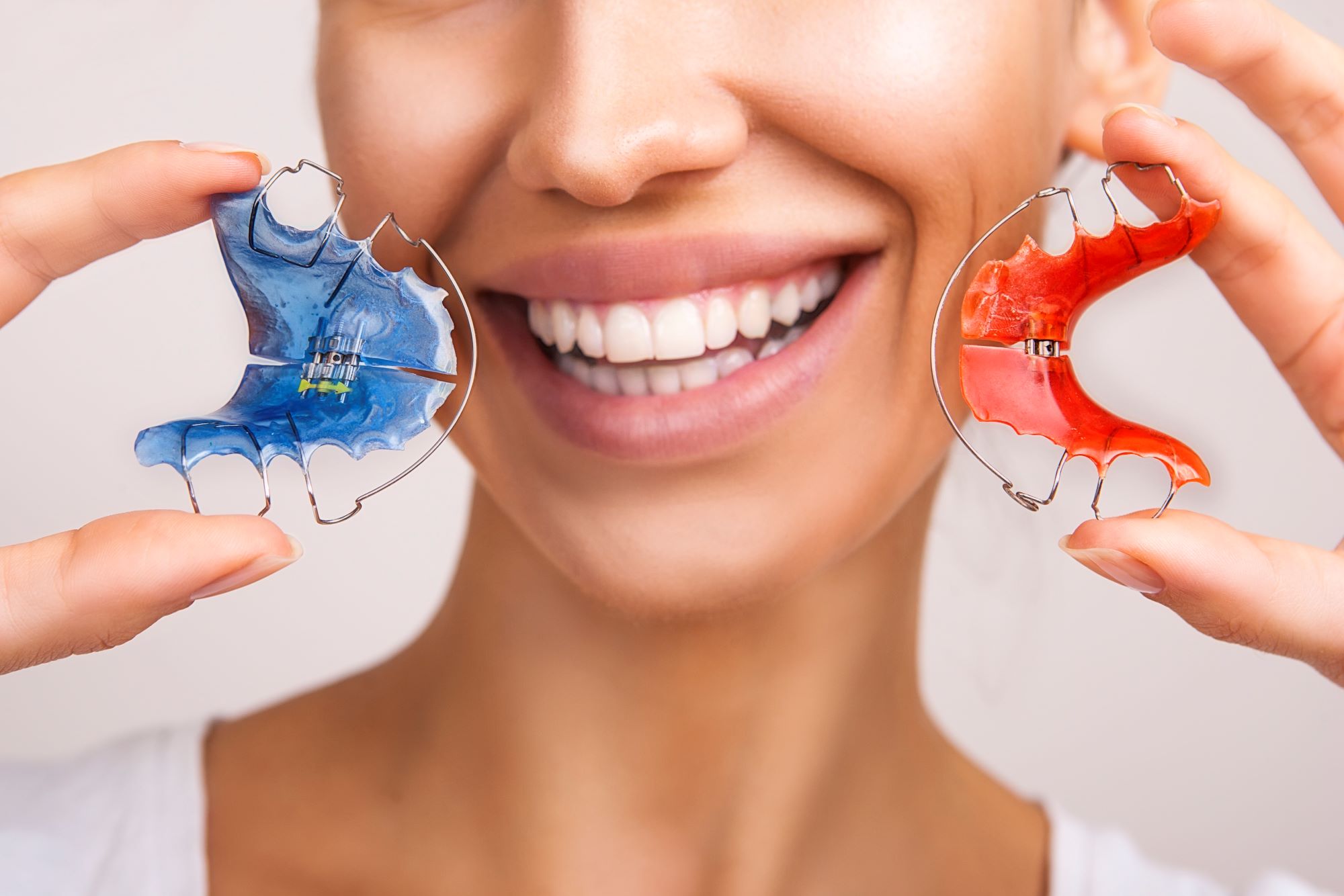
Teeth Retainer
In recent years, the use of lingual braces has grown among orthodontists. Along with other advances in orthodontic treatment modalities, customized lingual systems are entering the market and gaining popularity, while traditional systems continue to adapt to digital platforms.

What is a Damon braces?
Damon braces are similar to other orthodontic systems to straighten teeth. The primary difference between this system and others, though, is how they straighten teeth.
Braces use archwires and brackets to move teeth. But while traditional braces have elastic bands surrounding each bracket, Damon braces use a self-ligating system to connect archwires to brackets, instead of elastic ties which are common with traditional braces.
This self-ligating system isn’t new, but it has increased in popularity as some orthodontists make claims of improved clinical performance.
While some doctors (and patients) believe Damon braces are a more effective orthodontic system, these claims haven’t been substantiated in scientific literature Along with traditional braces, you have the option of Damon braces.
In this article, we’ll look at Damon braces — including how they work, how they compare to traditional braces, and how much they cost.
Possible benefits of Damon braces include:
Fewer orthodontic visits
Some orthodontists also claim that Damon braces (like other self-ligating systems) can result in fewer orthodontic visits and adjustments
compared to traditional braces. Elastic ties and bands common with traditional braces can loosen over time, requiring periodic replacement.
This doesn’t mean that Damon braces can’t malfunction. Sometimes, one of the doors that holds the bracket to the wire opens up. This might
require an emergency appointment to correct.
Less discomfort
One claim is that Damon braces are more comfortable than traditional braces. It’s believed that the sliding mechanism could allow teeth to shift or move at a more gradual and natural pace. For some people, this might create less pressure and friction, possibly resulting in less pain and discomfort. But again, this claim isn’t backed by science.
The truth is, people respond differently to braces. The comfort level often depends on other factors such as the complexity of movement, wires, and other material.
The wires on Damon braces do exert a lighter force when shifting teeth, which is believed to contribute to less discomfort in some people. Like any type of braces, it can take a few days to get used to the system, so you might have temporary soreness.
Easier to clean
Less discomfort isn’t the only benefit of Damon braces, though. Since these braces have fewer parts, they’re also easier to clean.
Multiple styles to choose from
Damon braces come in different styles, including metal braces, or clear brackets.0
How do Damon braces compare with traditional braces?
The main difference between Damon braces and traditional braces is that the latter uses elastic bands or ties to hold wires and brackets in
place. The elastic with traditional braces are often tight, which puts pressure and tension on teeth. Also, elastic bands are noticeable.
Bacteria can also collect on the elastic bands, triggering dental hygiene issues. Without elastic ties, it’s often easier to brush and floss, resulting in less bacteria in the mouth.
How long do Damon braces take to work?
Treatment with the Damon system is generally comparable to traditional braces, up to 36 months. Claims of faster treatment aren’t supported by research.
If you’re looking for a shorter treatment, Invisalign aligners might be a better option. These treatments can range as little as 12 to 18 months.