
Metal brace
Metal braces are a type of fixed appliance. An orthodontist works specifically with the bite and straightness of teeth.

They recommend a dental brace to
- correct dental crowding and straighten teeth
- correct bite so the front and back teeth meet evenly
- reduce the chance of damage to prominent teeth
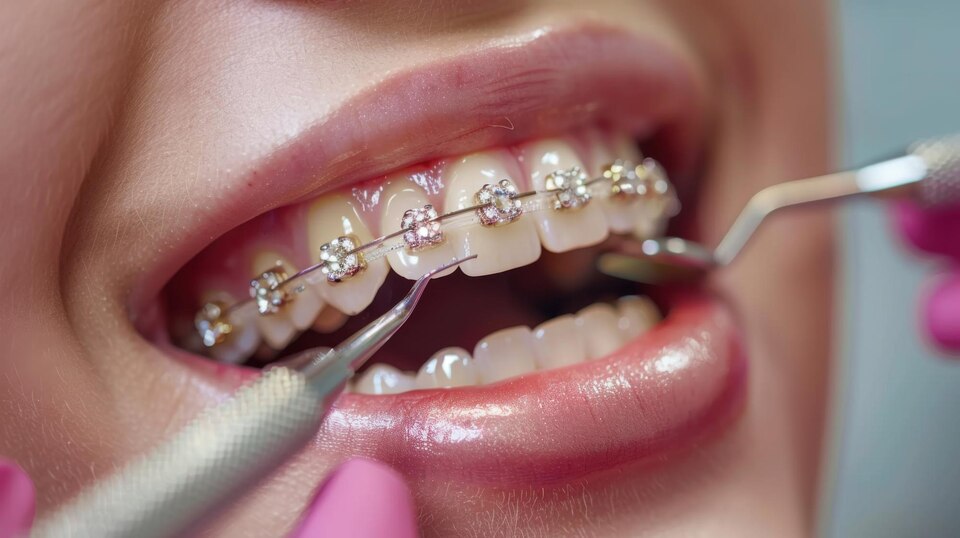
Orthodontics can also help in the treatment of other health problems, such as a cleft lip and cleft palate. An orthodontist will either cement or bond the metal brackets directly to the teeth. A flexible wire fits through slots in the brackets to connect and hold the braces together. The orthodontist will then use small bands, known as ligatures, to hold the wire in place.
The braces apply pressure on the teeth to move and realign. An orthodontist may also tighten the wire to move the teeth and jaw during dental appointments.
They may also cement or bond a metal ring, known as a band, to one of the back teeth to provide anchorage and strength for the braces. A person may also wear elastic bands between the upper and lower jaw to provide individual tooth realignment and movement during treatment. Checkups with an orthodontist are usually every 6–8 weeks during the brace treatment to ensure correct alignment.
Advantages vs. disadvantages of metal braces
Advantages vs. disadvantages of metal braces Before a person considers using metal braces as their dental treatment, there are several advantages and disadvantages to consider.
Efficacy
As they are a fixed appliance metal braces allow for greater control and more precise teeth movement, especially in complex cases.
A 2019 studyTrusted Source found that metal braces, in comparison with clear aligners, were more effective in treating teeth rotation, retention after brace
removal, and certain types of malocclusions.
Dental health
Another benefit to braces is that they can improve overall oral health. Misaligned teeth can cause swallowing or chewing issues. It can also make them harder to clean, making plaque buildup more likely and increasing the risk of gum disease.
Materials
The materials in braces are usually strong, and metal braces are highly durable. In addition, as metal braces use darker materials, they are less likely to become discolored.
Variety
Orthodontic treatment also gives people the option to customize the color of their braces. This can help people feel more comfortable with their smiles during the treatment.
Duration
Treatment with metal braces can last 1–3 years. After this time, a person will usually need a retainer that holds their teeth in their new positions. However, this type of brace may not offer the quickest treatment.
Diet
Another disadvantage to metal braces is that a person needs to monitor their diet and oral hygiene more closely. Eating foods high in sugar may lead to plaque buildup around the metal brackets. This buildup may eventually cause permanent damage or staining to the teeth.
Appearance
Additionally, some people may not like the appearance of braces. A 2019 studyTrusted Source notes that many participants preferred the comfort and aesthetic of clear aligners compared with conventional braces.
How to care for metal braces
Good oral hygiene and a balanced diet are vital when caring for braces.
Adequate brushing with braces is crucial to prevent plaque buildup and oral diseases such as gingivitis.
A person should do the following when they have braces:
- brush at least three times a day
- brush at least 1 hour after meals
- brush above, on, and below the braces
An individual with braces should also clean between their teeth with other suitable tools, such as a floss threader or interdental brushes.
An orthodontist may provide a specialized toothbrush or cleaning tool to clean the teeth adequately. Additionally, a person should avoid sticky, chewy, or hard foods, as they easily cause damage to the braces. These include:
- popcorn
- nuts
- hard and chewy sweets
- ice
- chewing gum
- whole hard fruits such as
- apples
- raw vegetables such as carrots
- corn
- hard bread such as rolls or bagels
- ribs
A person should also cut any hard foods into small, bite-sized pieces. They may also find it more comfortable eating soft food in the first few days after the brace
fitting. These foods include:
- yogurt
- soft bread
- pasta
- cooked or canned fruit
- mashed fruits and vegetables
- scrambled eggs