
Dental Bridges
If you have one or more missing teeth, your dental professional may recommend that you get artificial replacements. There are removable options like dentures that you can take out and clean, but those can slide around, shift, or fall out – which understandably won’t fly for many people. And that’s why there are crowns affixed to dental implants and bridges which function more like your actual teeth. But between crown implants and bridges, which option is the best choice for you? We’ll break down the similarities, differences, advantages, and disadvantages between these two fixed artificial tooth options so that even if you have a fake tooth or two, you’ll have a smile that’s as real as can be.
What is a dental bridge?
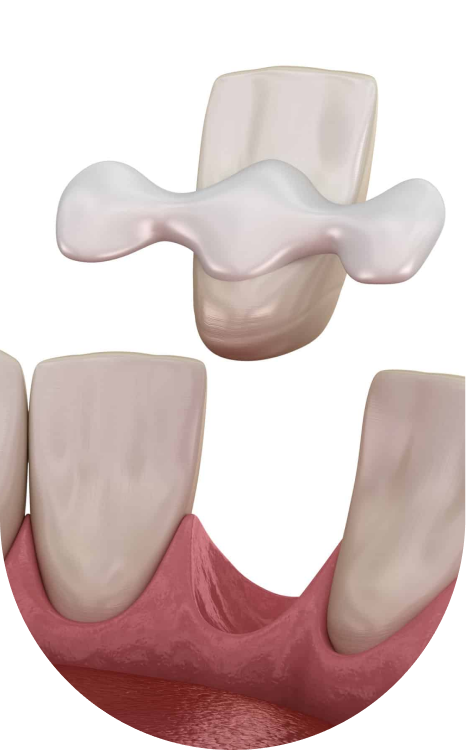
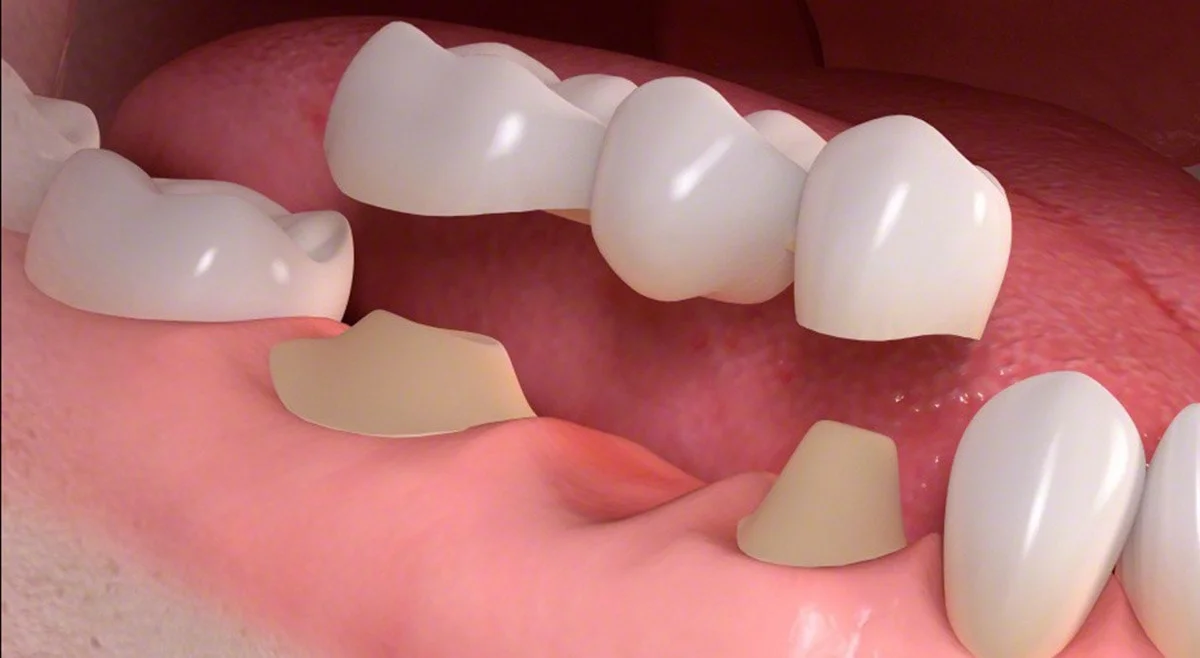
Dental bridges replace missing teeth. Specifically, they can replace one tooth or a row of missing teeth. As the name implies, this appliance literally “bridges the gap” in your smile. Dentists can create custom bridges that match the shade of your natural teeth. There are different parts that make up a dental bridge:
- Abutments are the structures that support your dental bridge. While the term often refers to natural teeth, it can also refer to tiny connector posts used in dental implant-supported bridges.
- Pontics are the artificial (false) teeth that fill in the gap left behind by missing teeth.
Depending on your situation and the type of bridge you receive, your bridge might consist of one or more abutments and one or more pontics.
Types of dental bridges
Dentists use different types of bridges based on your oral health goals. The main four types of dental bridges include:
- Traditional dental bridge. This is the most common type of dental bridge. It consists of dental crowns (caps) on both ends with pontics (artificial teeth) in between. A dentist bonds the crownsto your natural teeth (abutments) on either side of the gap, and the artificial teeth (pontics) fill in the space between. Dentists use traditional dental bridges when you have healthy natural teeth on both sides of the gap.
- Cantilever dental bridge. A cantilever bridge is similar to a traditional bridge. But there’s only a crown on one end, not both. So, when your dentist bonds the bridge onto your abutment tooth, the artificial tooth (pontic) “hangs over” or extends across the gap. Dentists use cantilever bridges when you only have natural teeth on one side of the gap. Due to their design, cantilever bridges aren’t as strong as traditional bridges.
- Maryland dental bridge. A Maryland bridge (or resin-bonded bridge) uses metal wings instead of crowns to secure your bridge. A dentist bonds the wings to the backs of your neighboring teeth
to hold your bridge in place. Dentists typically use Maryland bridges to replace front teeth. These appliances aren’t strong enough to withstand the chewing forces of back teeth. - Implant-supported bridge. An implant-supported bridge is similar to a traditional bridge, but it rests atop dental implants instead of natural teeth. Dental implants are small threaded posts that replace missing teeth roots. Before attaching a bridge to dental implants, your implants must fully integrate (fuse) with your jawbone. This process takes three to six months on average, but it can take longer depending on your situation. Dentists can use implant-supported bridges when you have three or more missing teeth in a row.
How long does it take to recover after a dental bridge procedure?
Recovery times vary from person to person and depend on several factors. On average, it takes one to two weeks for your teeth and gums to heal. But it can take a little longer for your new dental bridge to feel totally natural and comfortable.
How long does a dental bridge last?
On average, the lifespan of a dental bridge is five to 15 years. Some can last even longer with proper care and maintenance. You may hear dentists call these “permanent bridges.” They’re permanent in the sense that only a dentist can remove them. But they don’t last forever. You’ll still need to replace them when they show signs of wear or damage.
How can I care for my dental bridge?
Caring for a dental bridge is similar to caring for your natural teeth. To keep your bridge in good condition:
- Brush and floss daily.
- Use a nonabrasive fluoride toothpaste.
- Clean underneath your bridge every day using floss threaders or interproximal brushes (tiny brushes made to go between your teeth).
- Avoid extremely hard or chewy foods.
- Don’t chew on ice, pens, pencils or your fingernails.
- Visit your dentist regularly for checkups and cleanings.
How many teeth can be on a bridge?
Most commonly, a dental bridge replaces one to three teeth in a row. In some cases, a bridge can replace up to four consecutive teeth. But keep in mind, longer bridges usually require more
support. So, to replace four missing teeth with a bridge, you need healthy natural teeth on both sides of the gap.
To learn more about your teeth replacement options, talk to a dentist.
How long can you wait to get a dental bridge?
In general, you should replace missing teeth as soon as possible to prevent other teeth from shifting into the gap. However, if you need tooth extraction first, you might have to wait a few months before getting your dental bridge. This gives your gums and underlying bone time to heal.
Is a dental bridge painful?
Getting a dental bridge shouldn’t hurt. Your dentist will give you local anesthesia to numb your gums before beginning your procedure.
Do bridges feel like real teeth?
It can take some time to get used to your new dental bridge. But once you do, it should feel similar to your natural teeth. It’s like wearing a new ring on your finger. You’re aware of it for a while, but you eventually grow accustomed to it.