
Orthodontic Evaluation
Kids dental cleaning is important to ensure that they maintain a healthy set of primary (baby) teeth. Otherwise, cavities and other oral health concerns can compromise the alignment and health of permanent teeth once they emerge. In this review, we discuss what happens during a dental cleaning visit for kids.
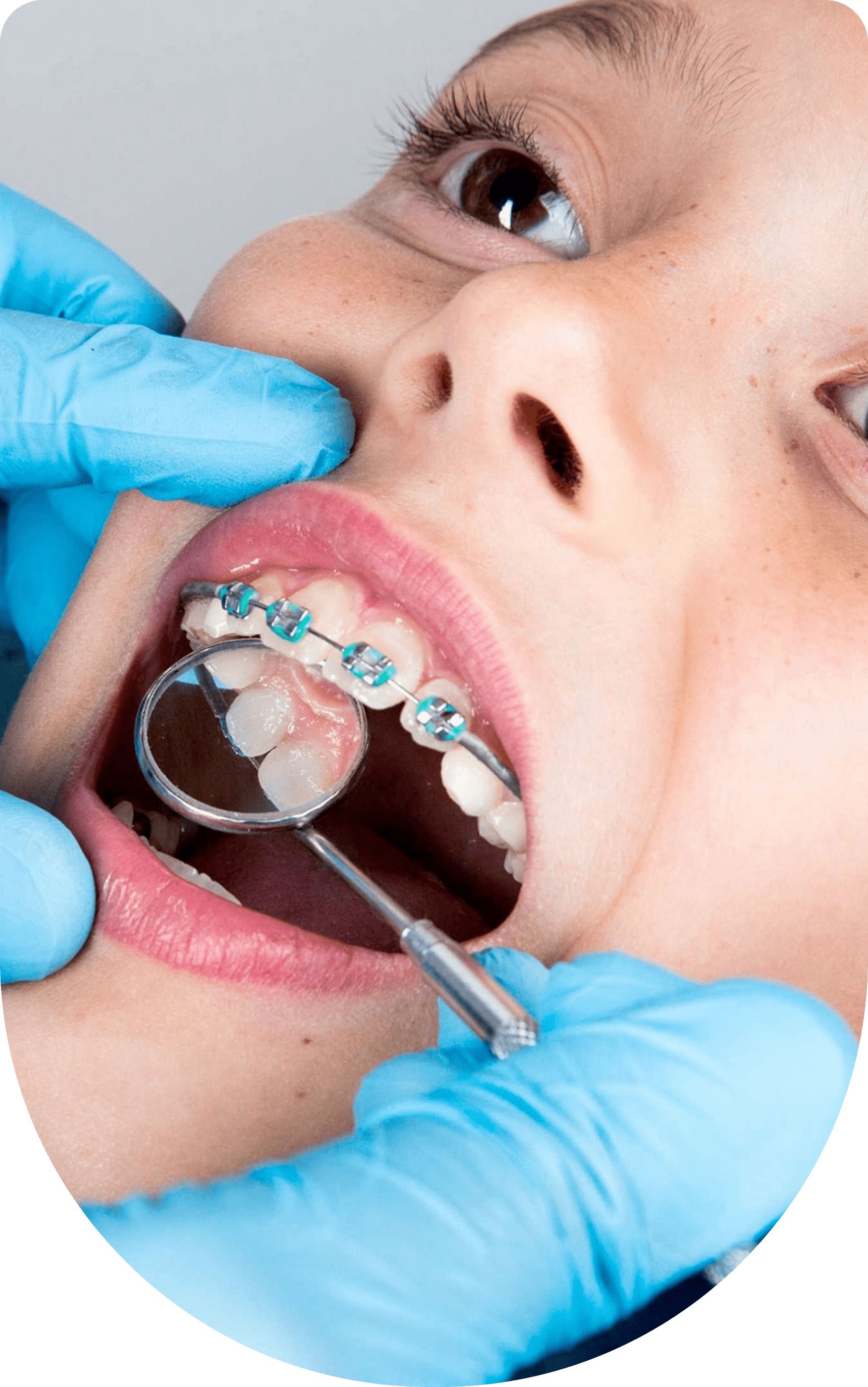
Benefits of Early Orthodontic Evaluations
Early orthodontic evaluations are integral, offering a myriad of benefits that span both physical health and psychological well-being. Here are the key benefits enumerated:
1. Enhanced Oral Health Addressing orthodontic irregularities early aids in maintaining optimal oral health by preventing conditions like gum disease and tooth decay. Properly aligned teeth and a correct bite facilitate effective chewing and speech, reducing the risk of oral infections and diseases.
2. Reduced Need for Extensive Treatment Early detection and intervention often reduce the necessity for more extensive, prolonged, and often, more invasive treatments in the future.
3. Cost-Effective Identifying and rectifying orthodontic issues at an early stage can mitigate the financial burden of more intricate, long-drawn treatments later on.
4. Boosted Self-Esteem and Confidence A well-aligned, harmonious smile contributes significantly to a child’s self-esteem and confidence. It shields them from societal pressures and the stress emanating from perceived dental imperfections.
5. Positive Social Implications Enhancing a child’s smile through orthodontic care can potentially diminish bullying and social isolation related to dental appearances, fostering positive social interactions.
6. Development of Healthy Habits Early orthodontic evaluation for kids often leads to the establishment of good oral hygiene habits from a young age, setting the foundation for long-lasting oral health.
7. Improved Quality of Life Beyond aesthetic appeal, early orthodontic evaluation for kids and subsequent interventions contribute to overall improvements in the quality of life by alleviating potential health issues and enhancing psychological well-being.
The Process of Early Orthodontic Evaluation for Kids
Initial Assessment
The journey of early orthodontic evaluations begins with an initial assessment, a careful and thoughtful examination of the child’s teeth and jaw structure. This assessment is not just a mere observation but a detailed exploration, often involving visual examination and X-rays, to garner a comprehensive understanding of the child’s unique oral landscape.
Development of Treatment Plan
Post-assessment, the information acquired is meticulously analyzed to craft a customized treatment plan tailored to address the individual needs and conditions of the child. This plan is not a one- size-fits-all solution; it’s a personalized roadmap, designed with precision and care, aiming to navigate the child towards optimal oral health and developmental harmony.
This process, although thorough, is conducted with utmost care and sensitivity, ensuring the comfort and ease of the child throughout. It’s a collaboration between the orthodontist and the parents, united by a common goal: to secure a future of radiant smiles and robust oral health for the child. The clarity and insight gained from these evaluations are pivotal, serving as the beacon guiding informed decisions and proactive interventions, ultimately sculpting the trajectory of the child’s oral development.
Possible Early Treatments for Detected Irregularities
Once irregularities are detected during an early orthodontic evaluation for kids, various treatment options can be considered to address the specific needs of the child. Here are several possible early
treatments:
1. Palatal Expanders
Used to widen the upper jaw and correct problems like crossbites and crowding, palatal expanders can help create more space in a child’s mouth, allowing teeth to align properly.
2. Space Maintainers
If a child loses a baby tooth prematurely, space maintainers can hold the space open until the permanent tooth is ready to erupt, preventing crowding and misalignment issues.
3. Partial Braces
In some cases, partial braces might be recommended to correct issues with specific teeth or to prepare the mouth for future orthodontic treatment.
4. Early Extraction of Baby
Teeth Sometimes, early removal of certain baby teeth can facilitate the proper eruption and alignment of permanent teeth.
5. Growth Modification Devices
These appliances can help correct jaw growth and alignment issues, optimizing the development of a child’s facial structures.
6. Interceptive Orthodontic Treatment
This involves early intervention using orthodontic appliances to correct bite and alignment issues before they become more severe.
7. Myofunctional Therapy
Exercises aimed at correcting the function of facial muscles and the tongue can help in addressing habits like thumb sucking and tongue thrusting that can impact dental development.
8. Dental Splints
In cases of TMJ disorders, dental splints can be used to alleviate symptoms and stabilize the bite.
9. Habit Appliances
Appliances like cribs and guards can be used to help children overcome detrimental oral habits like thumb sucking and tongue thrusting.
10. Clear Aligners
A discreet and comfortable option, clear aligners can be employed to correct mild to moderate alignment issues, offering a less noticeable alternative to braces.